Madagascar safari

Evolution's Playground

Madagascar: Where Evolution Took a Different Path

Madagascar broke away from Africa 165 million years ago, and evolution went wonderfully weird. Nowhere else will you find lemurs, fossas, or baobabs that look like they're growing upside down. This isn't an add-on destination—it's a completely different adventure. Expect rough roads, basic infrastructure, and wildlife that exists nowhere else on Earth.

Best Time

June – October

Duration

10 – 18 days

Visa

Visa on arrival at Ivato Airport for most nationalities (up to 30 days, ~€35 cash only — cards not accepted). E-visa available at evisa.madagasikara.mg — apply at least 72 hours before travel. Bring small euro bills as backup.

Currency

Malagasy Ariary (MGA). Euros and USD can be exchanged in Antananarivo and major towns. Credit cards rarely accepted outside upscale hotels in Tana.

Combines With

Tanzania, Mozambique, Zanzibar, Seychelles, Mauritius

Signature Wildlife

Indri LemurRing-Tailed LemurFossaPanther ChameleonHumpback Whale

Getting There

Fly into Ivato International Airport (TNR), Antananarivo. No direct flights from North America or UK — connect via Nairobi (Kenya Airways), Paris (Air Austral, Corsair), or Johannesburg. Expect a 20–30 hour journey from Europe or North America.

Languages

Malagasy (official) · French (official) · English (very limited)

Highlights

Avenue of Baobabs — ancient trees silhouetted at sunset near MorondavaTsingy de Bemaraha — UNESCO limestone karst forest with via ferrata crossingsAndasibe-Mantadia — hear the Indri's haunting dawn call 3 hours from TanaRanomafana — 12 lemur species in dense highland rainforestÎle Sainte-Marie — humpback whale watching July–SeptemberNosy Be — Indian Ocean diving, snorkeling, and beaches

Why Madagascar

What makes Madagascar extraordinary

90% of wildlife exists nowhere else on Earth

Over 100 lemur species (all endemic)

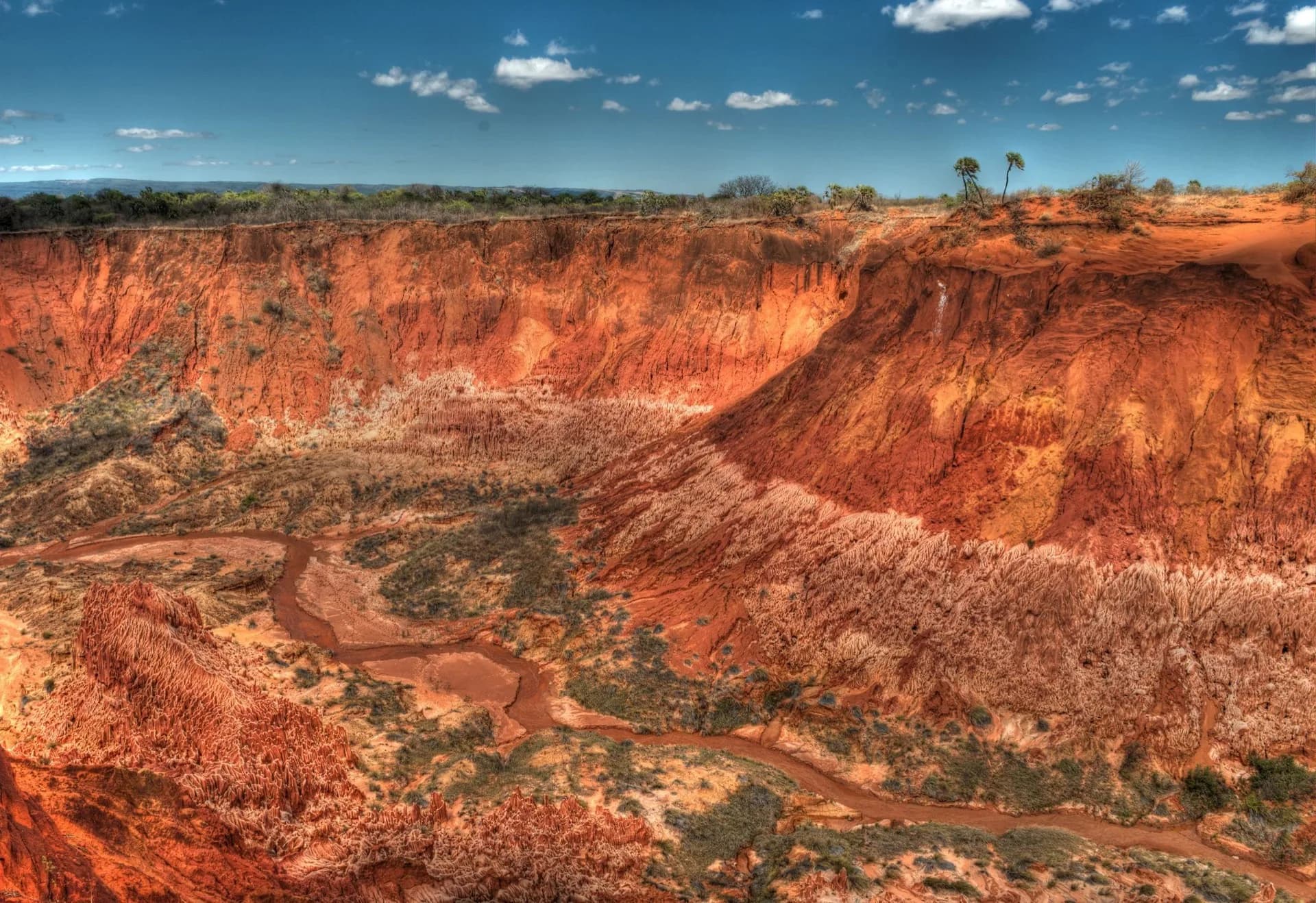
Otherworldly landscapes—tsingy rock forests, avenue of baobabs

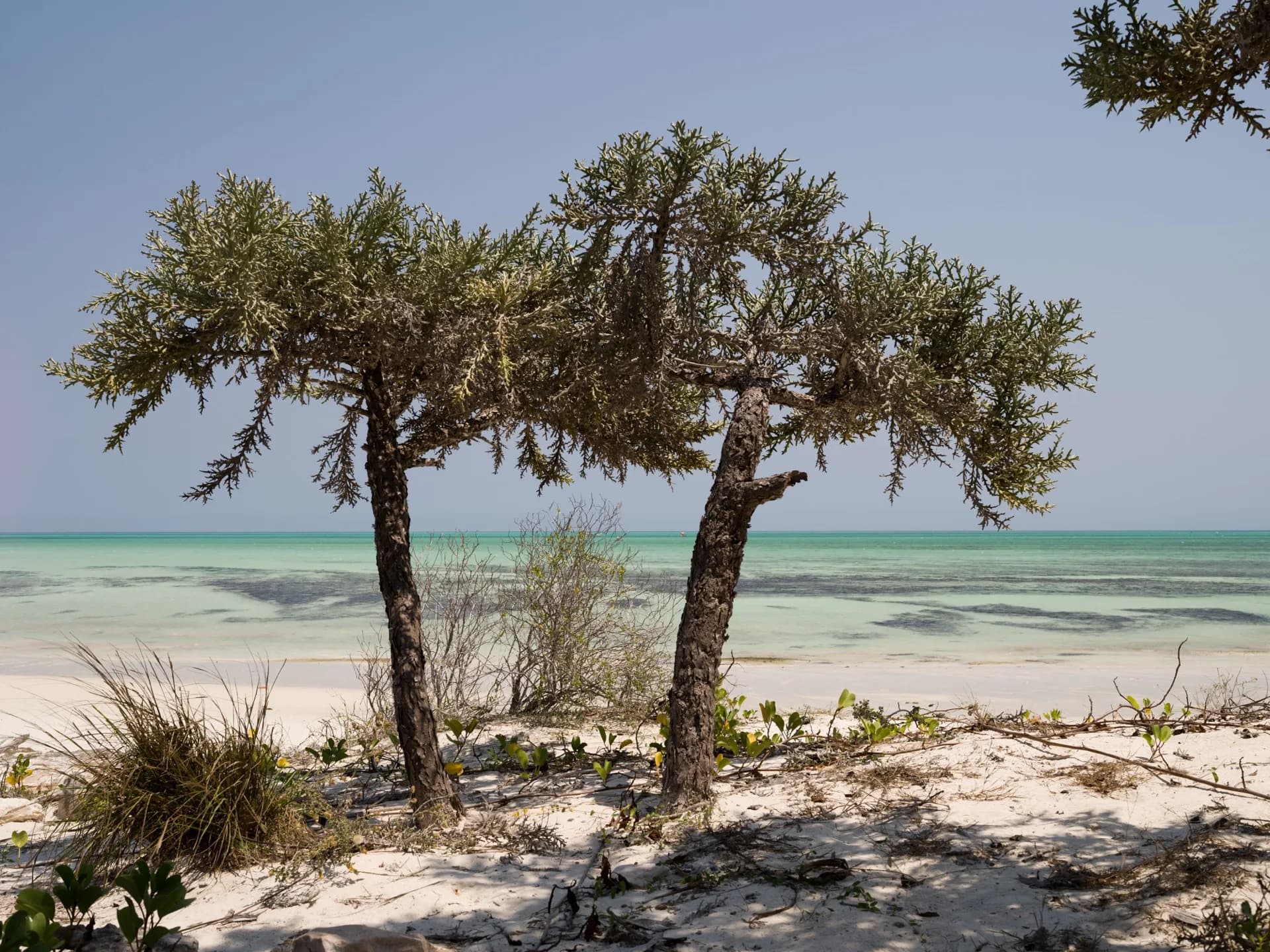
Pristine beaches on Nosy Be and Île Sainte-Marie

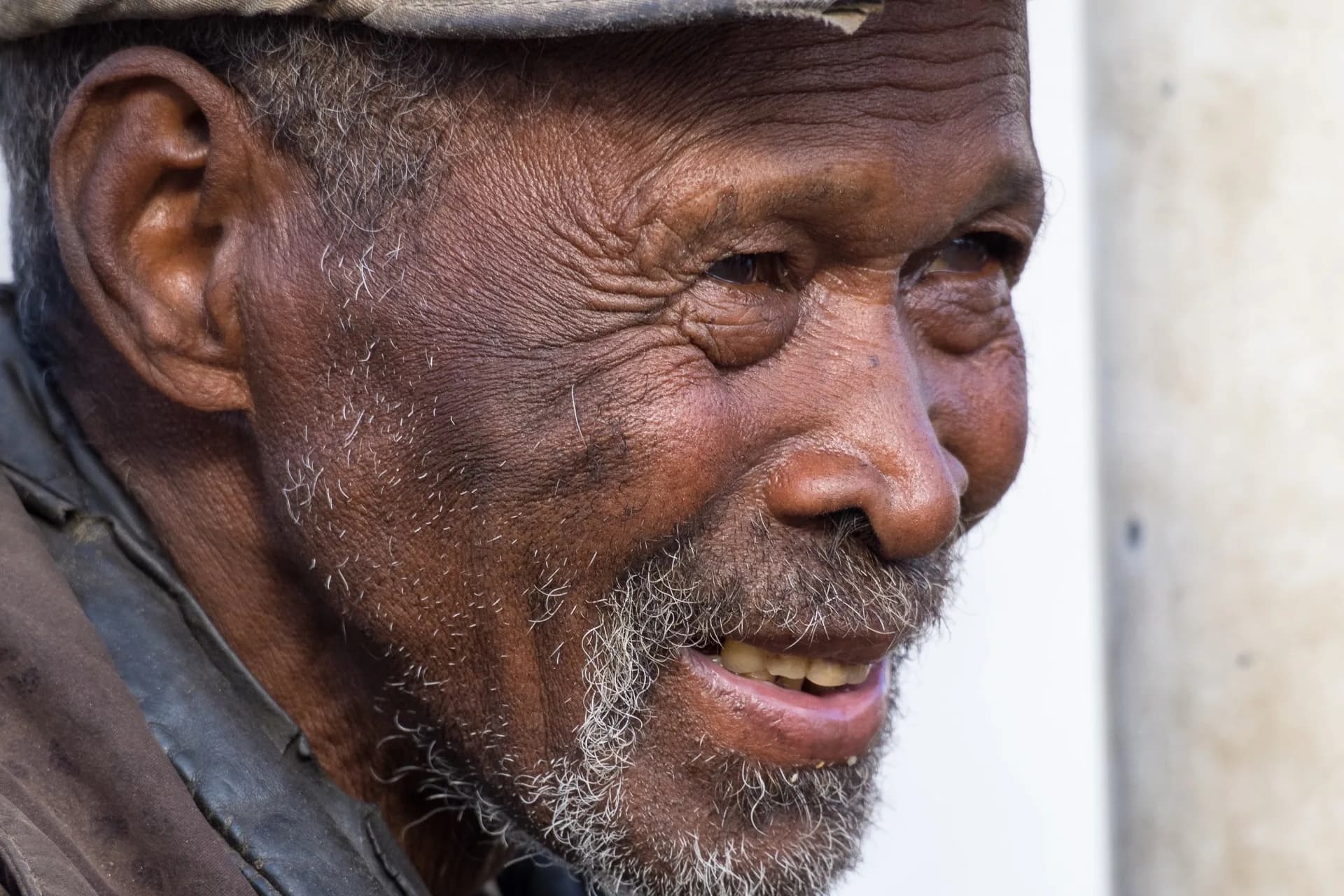
Authentic Malagasy culture—neither African nor Asian

Under-touristed compared to mainland Africa

National Parks & Reserves

Where to go in Madagascar

Andasibe-Mantadia National Park

hear the indri indri call

Home to the indri—Madagascar's largest lemur. Their haunting morning calls echo through the forest like whale songs. Just 3 hours from Antananarivo (Tana), this is most visitors' first taste of Malagasy rainforest. Night walks reveal chameleons, leaf-tailed geckos, and mouse lemurs the size of your thumb.

Indri lemursChameleonsAccessible rainforest

Insider tip

Stay 2 nights minimum. Dawn walks for indri, night walks for chameleons.

Isalo National Park

jurassic park landscapes

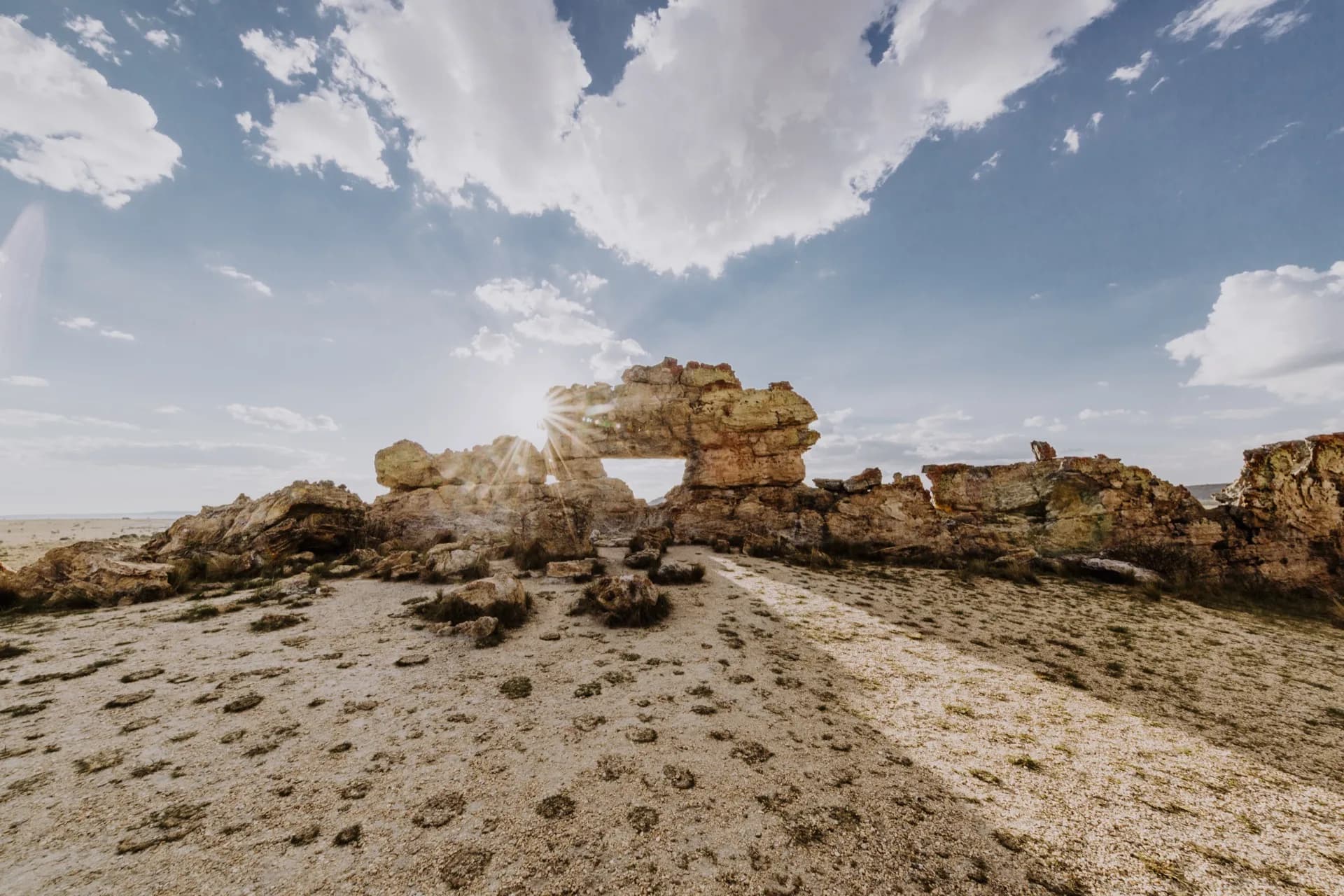
Dramatic sandstone formations, deep canyons, natural swimming pools. This is Madagascar's answer to the American Southwest—except with lemurs. Ring-tailed lemurs are abundant and habituated. The "Piscine Naturelle" (natural pool) is perfect after hot hikes. Sunsets are spectacular.

HikingRock formationsRing-tailed lemursSwimming

Insider tip

The Canyon des Singes trail is moderately challenging but worth it.

Tsingy de Bemaraha

walk on razor sharp limestone

UNESCO World Heritage Site. "Tsingy" means "where one cannot walk barefoot"—massive limestone karst formations eroded into sharp peaks and deep canyons. You'll wear via ferrata harnesses to cross suspension bridges between pinnacles. Not for those afraid of heights. Utterly otherworldly.

Unique geologyAdventureLemursPhotography

Insider tip

The journey from Morondava is rough (8-10 hours). Budget 3 days minimum.

Ranomafana National Park

pristine rainforest biodiversity

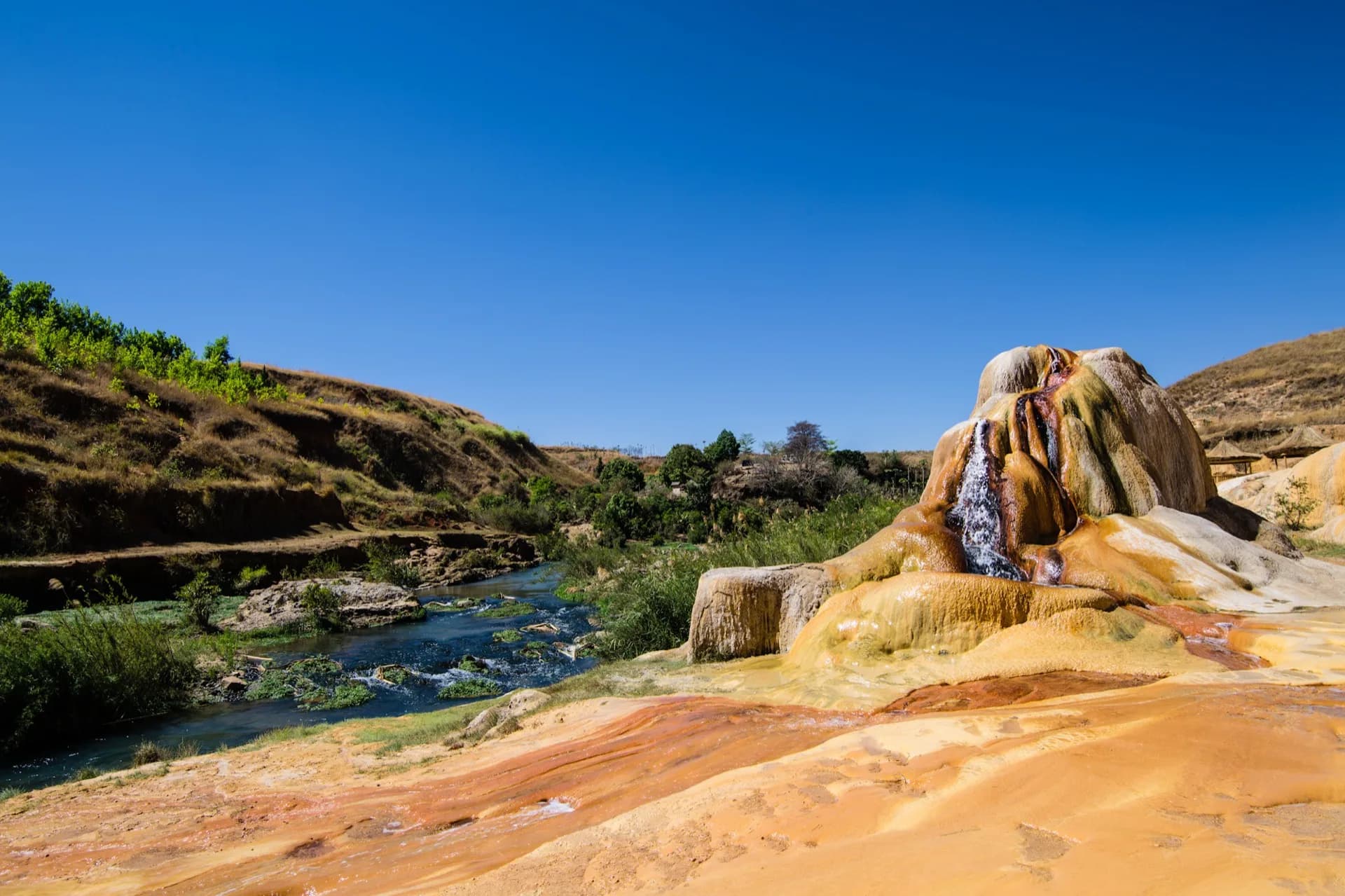
Steep, wet, muddy, and magnificent. Twelve lemur species including the rare golden bamboo lemur. The forest is dense, humidity is high, leeches are probable. This is for serious wildlife enthusiasts. The hot springs in the village (ranomafana means "hot water") are perfect afterward.

Serious lemur trackingBirdingHumid rainforest

Insider tip

Hire a specialized guide for golden bamboo lemurs. Worth the extra cost.

Wildlife

Species that define Madagascar

Lemurs (100+ species)

From tiny mouse lemurs to dog-sized indri. Ring-tailed lemurs are the most recognizable. Sifakas "dance" sideways across open ground. Indri sing at dawn. Aye-ayes look like gremlins. All are endemic—they exist nowhere else. Conservation status ranges from vulnerable to critically endangered.

Where: Nearly every protected area

Best time: Year-round (some species seasonal)

Fossa

Madagascar's top predator looks like a puma mated with a weasel. Cat-like but not a cat, they hunt lemurs through the canopy. Sightings are rare and special—they're solitary and elusive. Kirindy Forest offers the best chances.

Where: Kirindy Forest, Andasibe-Mantadia

Best time: October-December (mating season, more active)

Chameleons

From thumb-sized brookesia to massive Parson's chameleons. Night walks are essential—chameleons turn pale and are easier to spot with flashlights. Madagascar has roughly half of all chameleon species on Earth.

Where: Any rainforest park, especially Andasibe and Ranomafana

Best time: Rainy season (November-March) for breeding colors

Baobabs

Six endemic species. The Avenue of Baobabs near Morondava is Madagascar's most photographed site—ancient trees silhouetted at sunset. Baobab Amoureux (lovers' baobabs) are two trees intertwined. Some are over 800 years old.

Where: Avenue of Baobabs, Morondava region

Best time: April-November (dry season) for sunset photos

When to Visit

Seasonal guide to Madagascar

Peak Dry Season

June – October

Prime wildlife viewing, Tsingy open, Nosy Be diving, humpback whales offshore

Best overall window. July–September: humpback whales off Île Sainte-Marie. Tsingy only accessible June–November. Book accommodation 2–4 months ahead in July–August.

Wildlife: Excellent — lemurs active throughout, Fossa mating season peaks October, chameleons on night walks
Beaches & diving: Outstanding — Nosy Be and Île Sainte-Marie ideal for diving and snorkeling

Shoulder Season

April – May

Post-cyclone transition — lush landscapes, far fewer tourists, best prices

Great value window. Some southwest roads still muddy in early April. Ideal for photographers — soft light and saturated greens.

Wildlife: Good — rainforests intensely green. Reptile and chameleon activity high after wet season.
Beaches & diving: Variable — east coast calming after cyclone season; west coast and south fine

Late Dry / Transition

November

Lemur birthing season begins, baobab landscapes at peak, fewer tourists than peak

Underrated month. Visit Tsingy early November before roads close. Baobab sunsets particularly spectacular.

Wildlife: Very good — lemur births visible with mothers October–November. Chameleons in intense breeding colors.
Beaches & diving: Good — Nosy Be pleasant before cyclone season arrives

Wet / Cyclone Season

December – March

Lush eastern rainforests, dramatic skies, significant price discounts

Tsingy closed December–May. Cyclone risk is real — January–February highest risk. Not recommended for first-time visitors. Experienced travelers can find exceptional value.

Wildlife: Variable — chameleons and reptiles peak in breeding color, but dense vegetation makes spotting harder. Some parks and roads close.
Beaches & diving: Avoid east coast (cyclone risk). West and south more sheltered.

Community & Culture

Beyond the wildlife in Madagascar

Zebu Cart Rides

Various locations

The zebu (humped cattle) is central to Malagasy life—currency, food, transport, and spiritual significance. Ride in traditional carts through rural villages. Slow, bumpy, authentic. Children wave, adults stare (foreign visitors are still relatively rare outside main tourist routes).

Impact: Income for rural farmers

Vanilla and Coffee Plantations

Northeast Madagascar

Madagascar produces much of the world's natural vanilla. Visit plantations to see the labor-intensive pollination process (done by hand with bamboo slivers). Coffee plantations dot the highlands. Both offer insights into Madagascar's agricultural economy.

Impact: Supports smallholder farmers

Local Markets

Every town

Zoma (Friday market) in Tana is chaotic and fascinating. Rural markets sell everything from zebu to medicinal plants to homemade rum. This isn't a tourist attraction—it's daily life. Bring small change, bargain gently, photograph sparingly.

Impact: Supports local economies

Conservation

The world's most endangered island ecosystem

Madagascar is one of the world's six biodiversity hotspots — and one of the most imperilled. Around 90% of its species exist nowhere else on Earth, yet less than 15% of the island's original forest cover remains. More than 90% has been cleared since human settlement, primarily through slash-and-burn agriculture (tavy), illegal logging, and charcoal production. Of the 112+ lemur species documented, 94% are now threatened with extinction — making lemurs the most endangered mammal group on the planet. Since 2003, Madagascar has tripled its protected area network to over 7 million hectares, but enforcement remains chronically underfunded. Ecotourism revenues are among the few economic incentives that make it worthwhile for communities to protect forest rather than burn it — every visitor to a national park directly funds the rangers who patrol against illegal logging and poaching.

90%+

Wildlife species found nowhere else on Earth

112+

Lemur species (all endemic)

94%

Lemur species threatened with extinction

<15%

Original forest cover remaining

Practical Information

Everything you need to know

Best Time

April-October — South and west are accessible year-round. Rainforests are wet always (hence "rainforest").

Visa

$37 USD for 30 days — Available on arrival. Bring cash and passport photos.

Health

Not required unless from endemic country Risk in coastal areas, prophylaxis recommended

Currency

Malagasy Ariary (MGA) — Credit cards rarely accepted outside Tana. Bring euros or USD to exchange.

Language

Malagasy, French (limited English)

Getting Around

Roads are rough. 4x4 essential. Internal flights save time. Distances are deceiving—100km might take 6 hours.

FAQ

Madagascar safari questions answered

From Our Guides

Madagascar insider tips

Madagascar is expensive for Africa. Budget accordingly.

Infrastructure is basic. Embrace it or choose a different destination.

Guides are mandatory in national parks. They're excellent.

Bottled water only. Seriously.

Tipping isn't expected but is appreciated (poverty is real here).

Say "Manao ahoana" (man-OW ah-HOH-na) for hello.

Fady (taboos) are important. Ask guides before photographing tombs or people.

Ready to go?

Plan your Madagascar safari

Our Uganda-based team has been guiding these destinations for over a decade. Tell us your dates and interests — we'll build the perfect itinerary.